
Gas Sensor Calibration
How Often Should Gas Sensors Be Calibrated?
Gas sensor calibration frequency depends on the type of detection equipment, manufacturer recommendations, facility conditions, sensor age, and exposure to real-world operating environments. For commercial facilities, routine calibration helps confirm sensor accuracy, identify drift, and keep gas detection systems ready to support safer operations.
From parking garages and loading areas to mechanical rooms and commercial facilities, a proactive calibration schedule helps reduce uncertainty, improve system confidence, and support smarter maintenance planning.
Why Gas Sensor Calibration Frequency Matters
Gas sensors are critical safety devices for commercial facilities, parking garages, loading areas, mechanical rooms, and other environments where gas detection systems help protect people, property, and daily operations. But even high-quality gas detection equipment can lose accuracy over time.
That is why understanding gas sensor calibration frequency is so important.
Calibration helps confirm that a gas sensor is reading accurately and responding as expected. When sensors are not calibrated regularly, readings can become unreliable. A sensor may respond too slowly, read too high, read too low, or fail to provide facility teams with the level of confidence needed for safety-focused operations.
For commercial properties, calibration is not just a maintenance task. It is part of a larger strategy for system reliability, operational readiness, and risk reduction.
What Is Gas Sensor Calibration?
Gas sensor calibration is the process of testing and adjusting a gas detector so its readings match a known reference point. In many cases, this involves exposing the sensor to a known concentration of calibration gas and confirming that the detector responds within the expected range.
In simple terms, calibration answers one key question:
Is this gas sensor reading accurately?
A professional gas sensor calibration service may include:
Calibration helps facility teams identify sensor drift, response concerns, and equipment issues before they become larger operational or safety problems.
How Often Should Gas Sensors Be Calibrated?
Gas sensors should be calibrated according to the manufacturer’s recommendations, the type of sensor, the gas being detected, the facility environment, and the system’s service history.
There is no single calibration schedule that applies to every facility. A sensor installed in a stable indoor environment may not need the same service frequency as a sensor installed in a parking garage, loading area, mechanical room, warehouse, or industrial setting.
The right calibration frequency depends on factors such as:
For many commercial gas detection systems, calibration should be part of a recurring maintenance plan rather than something handled only when a problem appears.
Learn more about Clear Blue Life & Safety’s Gas Sensor Calibration Services.
Key Factors That Affect Gas Sensor Calibration Frequency
1. Manufacturer Recommendations
Manufacturer recommendations should always be the starting point for determining gas sensor calibration frequency. Different gas detection systems, sensor technologies, and manufacturers may require different service intervals.
Following manufacturer guidance helps facility teams avoid guesswork and keeps calibration planning aligned with the equipment’s intended use.
2. Sensor Type
Different sensors can behave differently over time. Some gas sensors are more sensitive to environmental changes, contaminants, or exposure events than others.
Sensor type may influence how often calibration is needed, especially in facilities where gas detection equipment is used continuously or exposed to changing operating conditions.
3. Facility Environment
The environment around the sensor plays a major role in calibration frequency.
Gas sensors in parking garages may be exposed to vehicle exhaust, ventilation changes, humidity, dust, and temperature swings. Sensors in mechanical rooms may experience equipment heat, airflow changes, and enclosed operating conditions. Loading areas may include vehicle emissions, open doors, and shifting air movement.
The more demanding the environment, the more important routine calibration becomes.
4. Sensor Drift
Sensor drift occurs when a gas sensor gradually moves away from accurate readings. Drift can happen naturally as sensors age, but it can also be accelerated by environmental exposure, contaminants, and missed maintenance.
Sensor drift is one of the main reasons routine gas sensor calibration matters. A drifting sensor may still appear operational, but its readings may not be dependable.
5. Gas Exposure Events
If a sensor has been exposed to an unusual gas event, it may need calibration or testing sooner than expected. Exposure events can affect sensor response, especially when the exposure is prolonged, intense, or outside normal operating conditions.
After an unusual alarm event, facility teams should consider whether the detection system needs review.
6. Equipment Age
Older gas detection equipment may require closer attention. As sensors age, they can become less stable, slower to respond, or more prone to drift.
Calibration records can help identify when sensors are still serviceable and when replacement or repair should be considered.
For aging equipment, recurring alarms, or performance issues, learn more about our Repair & Maintenance Services
Signs a Gas Sensor May Need Calibration
Facility teams should not wait until a system fails before thinking about calibration. Many performance concerns can indicate that calibration or testing may be needed.
Common signs include:
Why Calibration Documentation Matters
Calibration should be documented so facility teams have a clear record of what was tested, what was found, and what may need attention next.
Strong calibration documentation can help with:
Documentation gives teams better visibility into system performance over time. It can also help identify recurring issues, changing sensor behavior, or service intervals that may need to be adjusted.
Gas Sensor Calibration for Parking Garages
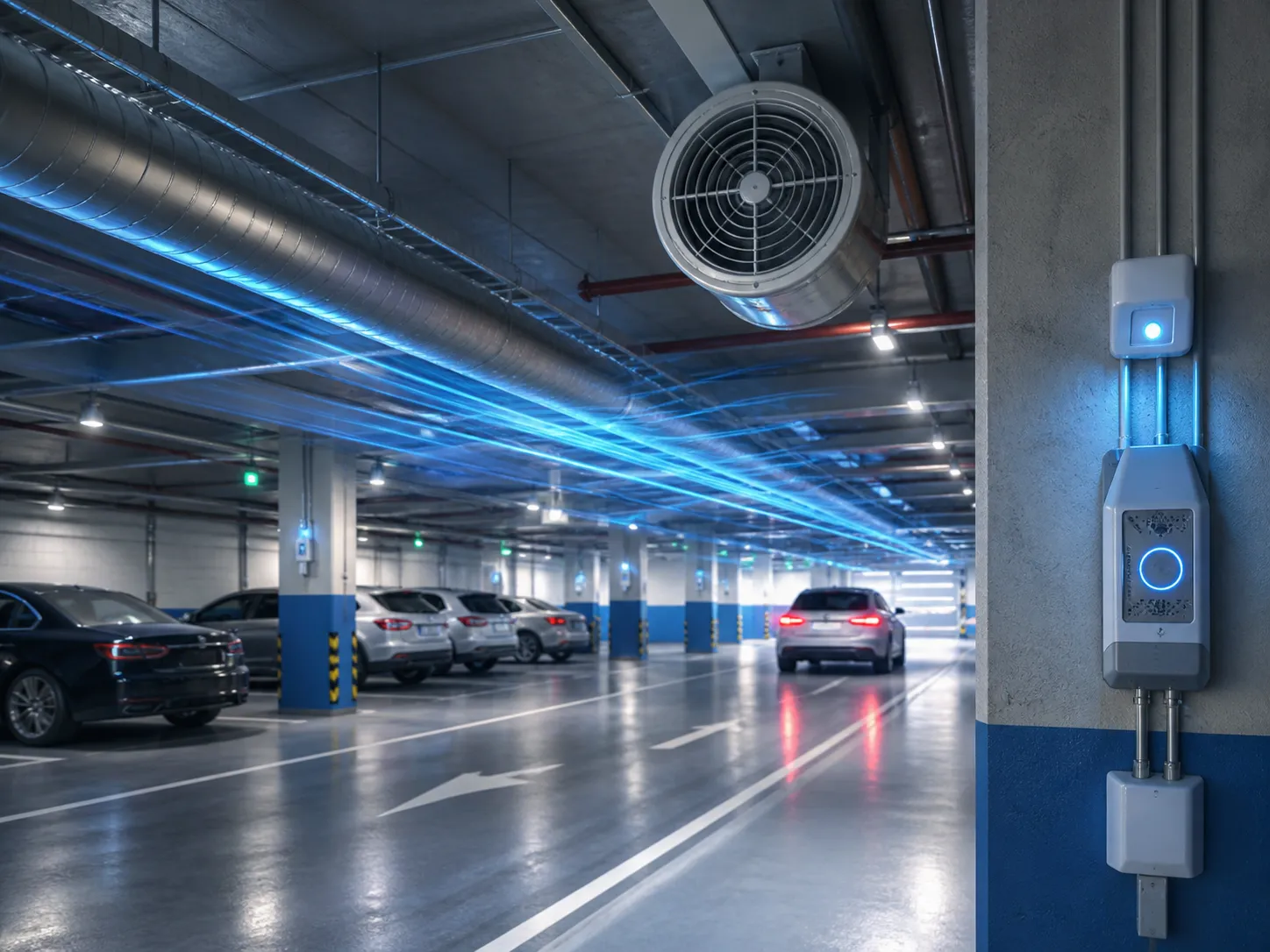
Parking garages are a common environment for fixed gas detection systems. Vehicle exhaust, enclosed areas, ventilation systems, and changing traffic patterns can all affect gas detection conditions.
For parking garages, gas sensor calibration helps confirm that detection equipment is producing dependable readings and supporting safer operating conditions.
Parking garage gas detection systems may need more proactive calibration and testing because they operate in real-world conditions that can change throughout the day.
Gas Sensor Calibration for Loading Areas and Mechanical Rooms
Loading areas and mechanical rooms can also create challenging environments for gas sensors.
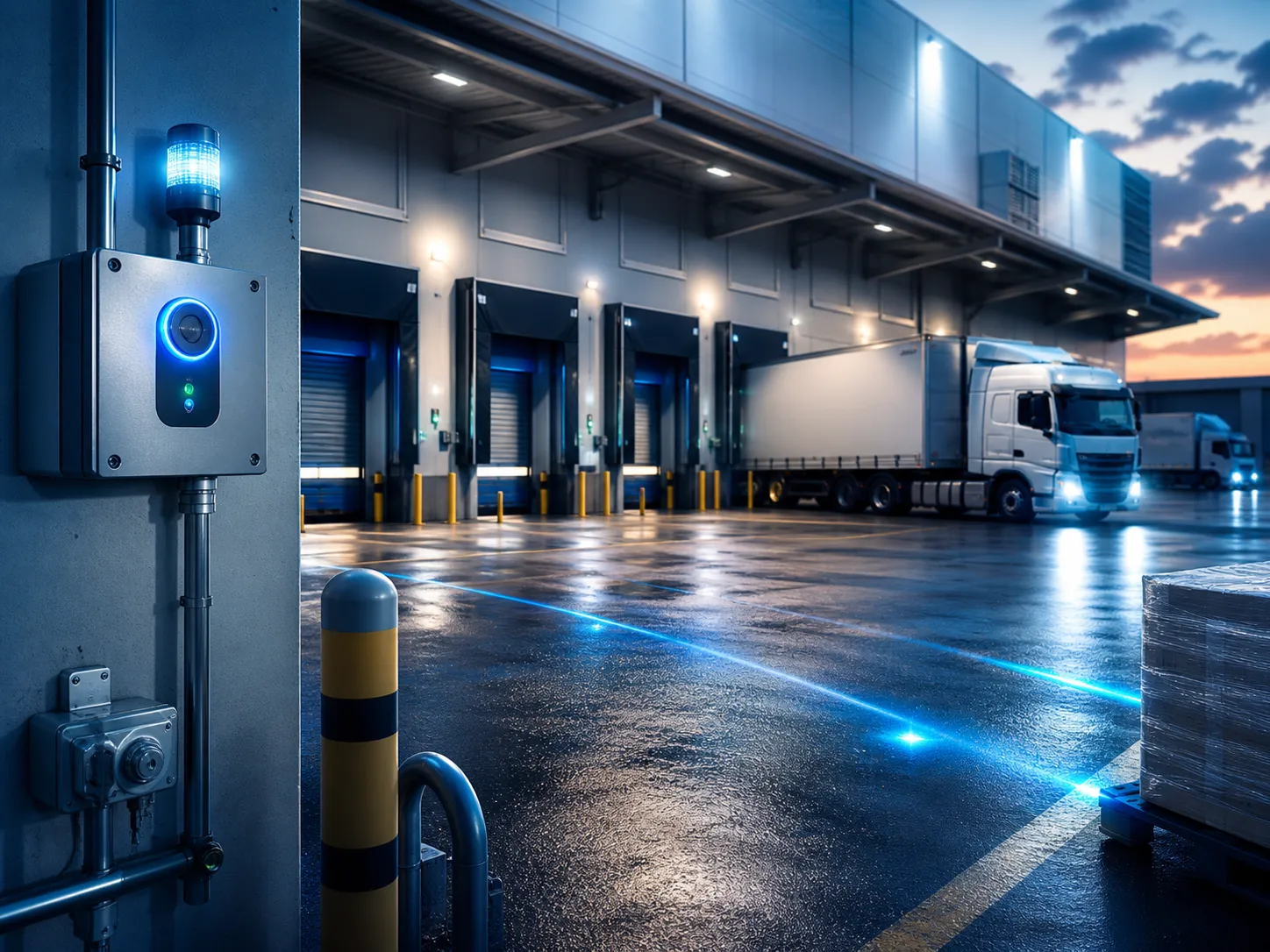
Loading areas may include vehicle emissions, open doors, and changing airflow. Mechanical rooms may include equipment heat, ventilation movement, and enclosed operating conditions.
In both environments, routine calibration helps confirm that gas sensors remain accurate, responsive, and service-ready.
What Happens During a Gas Sensor Calibration Service?
A professional gas sensor calibration service may vary depending on the equipment and facility, but the process typically includes a structured review of sensor performance.
A service visit may include:
This process helps facility teams understand whether the gas detection equipment is performing as expected or whether additional service may be needed.
How Calibration Supports Long-Term System Reliability
Routine calibration helps build a long-term performance record for gas detection systems.
Over time, calibration records can help identify:
This information supports smarter maintenance planning and helps facility teams make better decisions before issues escalate.
When Should a Facility Request Calibration Support?
A facility should consider requesting gas sensor calibration support when:
If there is uncertainty about sensor performance, it is better to review the system early than wait for a larger issue.
Need Help Planning a Gas Sensor Calibration Schedule?
Gas sensor calibration frequency should be based on the equipment, facility environment, manufacturer recommendations, service history, and how critical the detection system is to daily operations. A parking garage, loading area, mechanical room, or enclosed facility space may require a more proactive service schedule than a system installed in a stable, low-exposure environment.
Clear Blue Life & Safety helps facility teams evaluate gas detection equipment, review calibration needs, identify sensor drift concerns, and plan service intervals that support safer and more reliable system performance. If your sensors have not been calibrated recently, readings seem inconsistent, or maintenance records are incomplete, it may be time to schedule a professional calibration review.